EURAS Brings Neurodevelopmental Disorders into the Spotlight at FENS Forum 2026
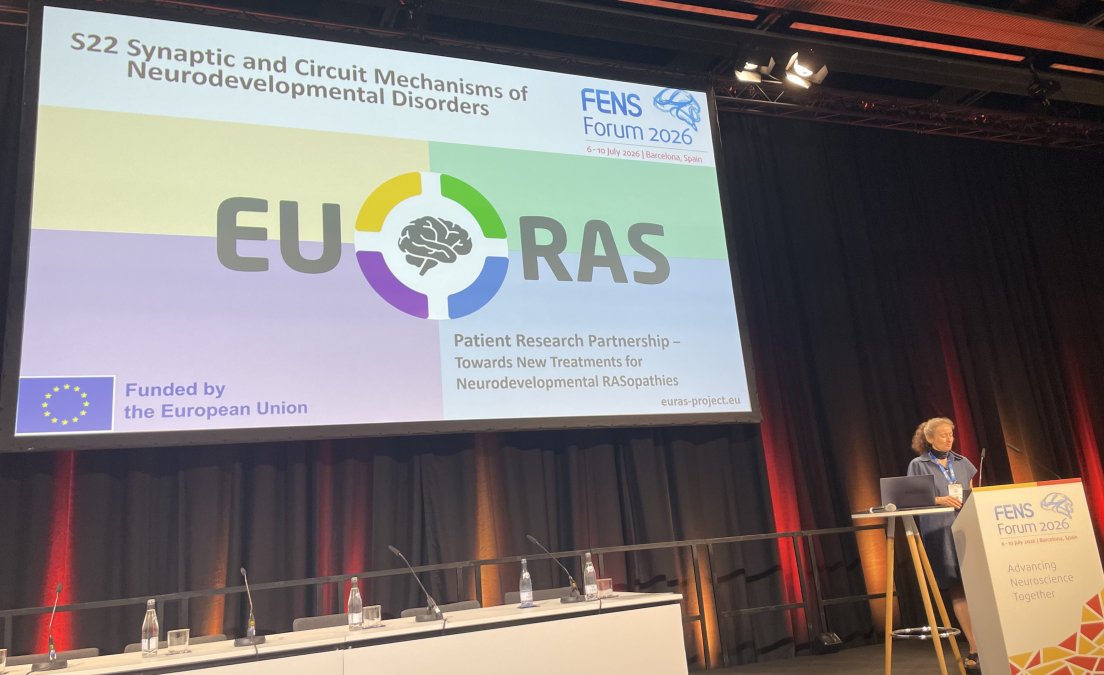
The FENS Forum 2026 brought thousands of neuroscientists from across the globe to Barcelona, Spain, from 6–10 July, creating an international platform to exchange ideas, showcase the latest discoveries, and shape the future of brain research. As Europe's largest neuroscience congress, the Forum provided the ideal setting for EURAS to highlight the growing importance of collaborative research into neurodevelopmental disorders.
On 8 July, EURAS hosted its dedicated symposium, "Synaptic and Circuit Mechanisms of Neurodevelopmental Disorders (NDDs)," chaired by Project Coordinator Prof. Anna Fejtová (Uniklinikum Erlangen). The session brought together internationally recognised experts whose research spans molecular neuroscience, synaptic biology, neural circuit development, disease modelling and emerging therapeutic approaches.
The symposium explored one of the central challenges in neuroscience today: understanding how changes at the level of individual genes translate into neurological and behavioral disease symptoms. By connecting discoveries across multiple levels of biology, the presentations highlighted how fundamental neuroscience is paving the way towards more precise treatments for neurodevelopmental disorders.
Reflections from the FENS Forum
When discussing the symposium, Fejtová stated “It showcased groundbreaking research on mechanisms underlying SYNGAP1-linked NDDs and attracted a great audience with highly enthusiastic feedback from the community”.
The presented research converged on notice that aberrant wiring and signaling within neuronal networks are the main biological cause for behavioral and neurological alterations that mark this NDD. While it remains to be determined how reversible these pathological developmental changes are, it became clear that disease-modifying therapeutic strategies must concentrate on normalization of synaptic and circuit disfunction. The results presented within the symposium also made clear that relevant animal models, such as those presented at the symposium including transgenic rats, mice, frogs and human xenographs, are of critical importance for mechanistic understanding and development of therapies for NDDs.
Within the symposium the EURAS consortium was presented. The main resources generated by the project, including the PATRAS registries and human and animal disease models, attracted outstanding interest and the potential to result in multiple collaborations. In addition, researchers from the EURAS consortium presented posters presenting their latest results to the scientific community.
Looking Ahead
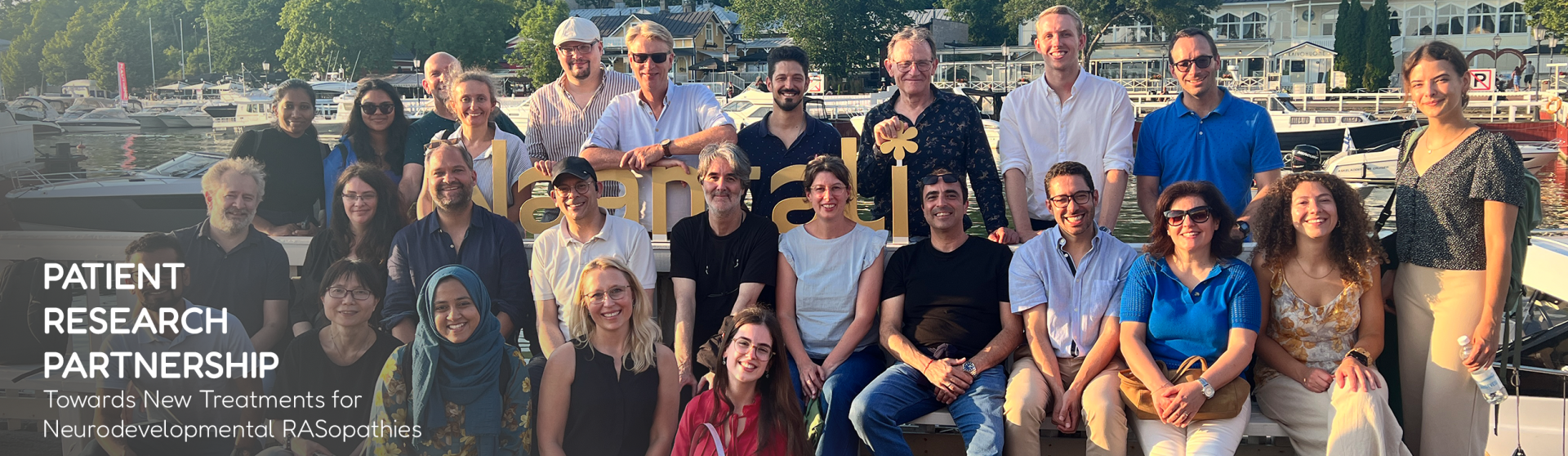
The FENS Forum reinforced the importance of collaboration in advancing our understanding of neurodevelopmental disorders. As EURAS enters the next phase of the project, the knowledge shared during the symposium will continue to inform ongoing research across the consortium. By combining expertise across disciplines and maintaining close collaboration with the international neuroscience community, EURAS is helping to build the foundations for more effective treatments and improved quality of life for individuals and families affected by neurodevelopmental RASopathies.