From Awareness to Action: Rare Disease Day and the Rare Diseases Run 2026 in EURAS
The weeks surrounding Rare Disease Day (28 February) once again highlighted the strength, visibility, and collective momentum of the rare disease community across Europe and beyond. Initiatives such as the Rare Diseases Run (23 February – 1 March) and the global Rare Disease Day campaign created important moments to come together, raise awareness, and reinforce shared commitment to rare disease research.
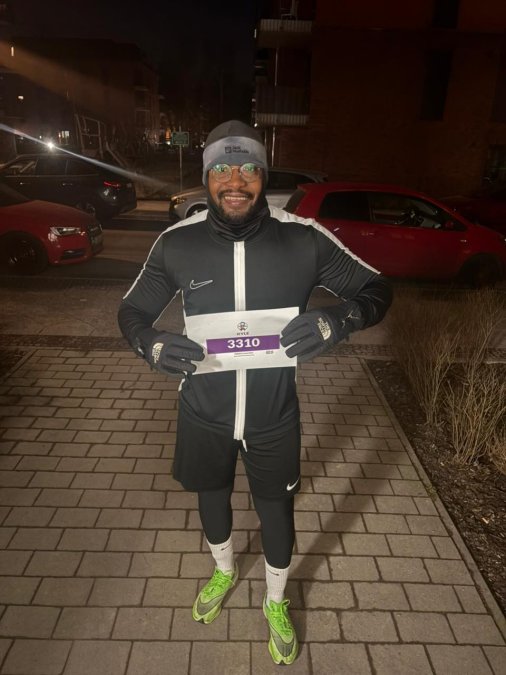
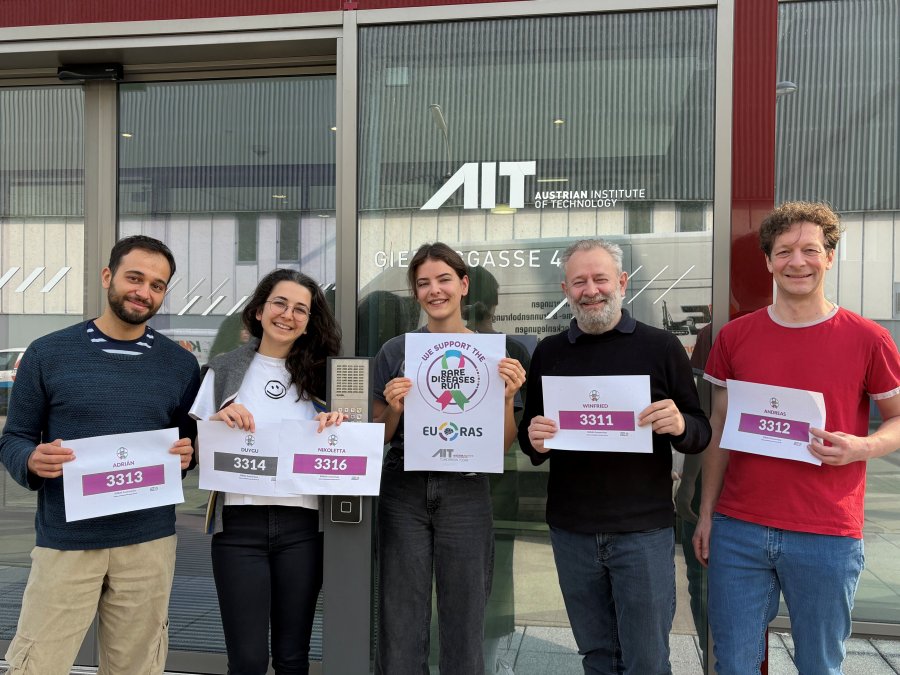
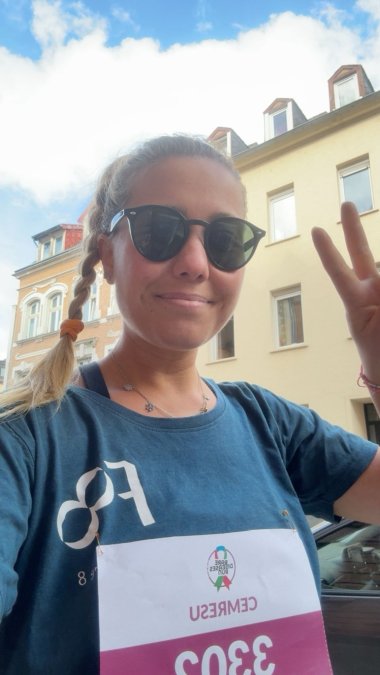
The Rare Diseases Run demonstrated how awareness can take many forms. By bringing together families, patient organisations, companies, and supporters in an inclusive and accessible way, it translated visibility into participation. Whether running, walking, or rolling, individuals and teams contributed to a collective effort that strengthened community ties and supported rare disease organisations across Europe.
Rare Disease Day itself provided a complementary moment for reflection. Across the EURAS project, this was an opportunity to highlight not only the importance of research, but also the perspectives that shape it. A central message emerged clearly: rare disease research is not abstract. It is rooted in lived experience, and its direction is strengthened through collaboration with patients and families.
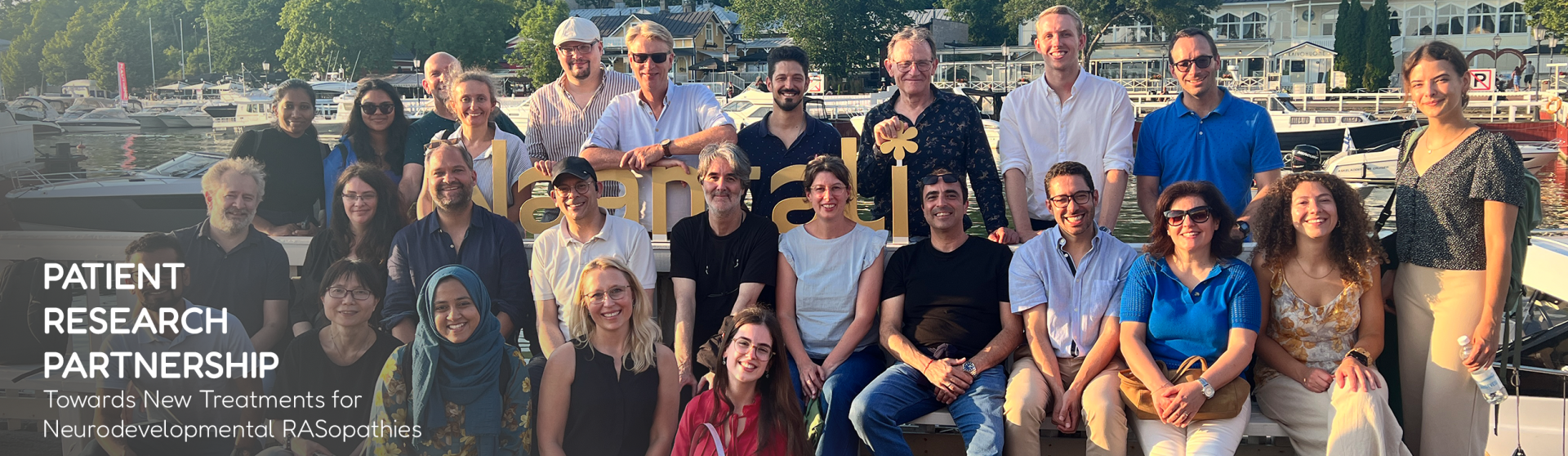
At EURAS, this collaboration is embedded in how we work. Patients and patient representatives are not external contributors, but active partners in shaping research priorities, the PATRAS patient registry, and scientific approaches. Their insights ensure that research on RASopathies remains aligned with real-world needs and contributes to meaningful, patient-centred outcomes.
These two moments, one focused on collective action, the other on shared reflection, reinforce a common understanding: progress in rare disease research depends on sustained collaboration. It requires aligning scientific expertise with lived experience and maintaining dialogue beyond dedicated awareness days.
While Rare Disease Day and the Rare Diseases Run have passed, their significance remains. For EURAS, they serve as a reminder that advancing research in RASopathies is not defined by a single day or event, but by continuous, coordinated effort across disciplines, countries, and communities.
This work continues together.