







Patient-based Registry
EURAS infografic

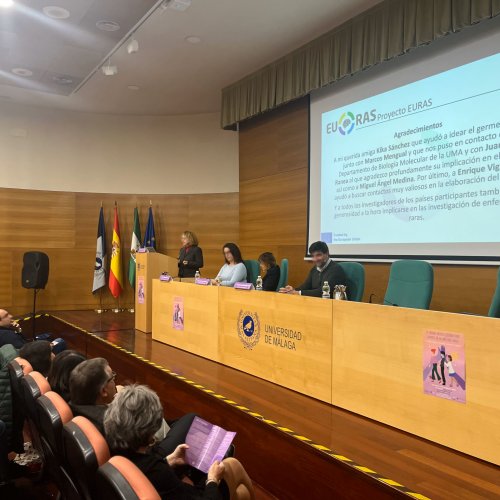
A collaborative project to tackle neurodevelopmental RASopathies

RASopathies are a group of rare genetic diseases that cause a wide range of symptoms from heart defects and growth delays to neurological and neurocognitive impairments that deeply affect patients and families. While treatments exist for physical symptoms, there are currently no therapies addressing the neurocognitive symptoms.

EURAS bridges this gap by bringing together 14 partners from 8 countries to advance a patient-driven registry to better understand disease progression, focus on disease modeling to understand disease mechanisms, develop new therapies and drug delivery technologies for the brain, and forge stronger connections between families, clinicians, and researchers.


Learn more about our research

start date 01 June 2023
Duration 48 month
Budget € 8.5 Mil.
16 partners 8 countries

A joint effort between patients and researchers

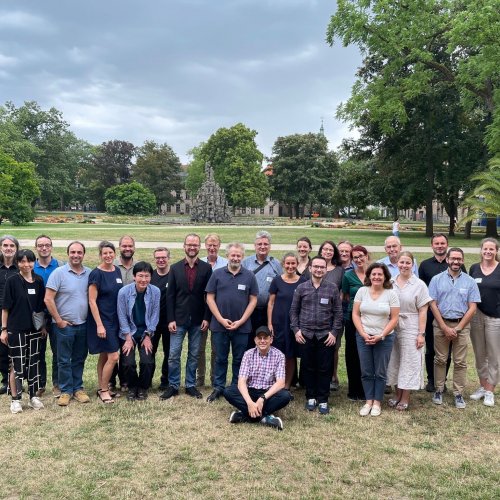
Families and patients are at the core of EURAS. Parents of children living with RASopathies initiated the project to drive scientific progress and hope. Today, more than 1,200 families are connected through national Patient Organisations working hand-in-hand with scientists and clinicians.

Together, they are shaping research priorities, collecting real-world data, and building a community that empowers affected families across Europe.

Discover the patient network

PATRAS: The Patient Registry

At the heart of EURAS lies PATRAS, a multilingual, EU-compliant PATient registry for RASopathies. With the support of Patient Organisations in the EURAS network, PATRAS collects clinical data and patient-reported outcomes to:

  • Generate new disease models to uncover disease mechanisms
  • Develop innovative methods for drug delivery to the brain
  • Improve diagnosis and disease monitoring
  • Accelerate research through data sharing
  • Support clinical trials for new therapies

This unique registry connects patients directly with researchers providing data from large patient cohorts, ensuring every experience contributes to discovery.

Explore PATRAS

Together, we’re changing the future of rare diseases

News